Hive Setup Guide
Choosing a Langstroth configuration, siting the hive, and the tools you actually use in the first season.
Read guide →Backyard Beekeeping in Canada
SoftFieldLane collects field notes on starting a Langstroth hive, reading a colony through the season, and bringing bees through a long northern winter. Practical detail over slogans.

Core topics
Each guide is written from a Canadian perspective, where short summers and cold, variable winters shape almost every decision.
Choosing a Langstroth configuration, siting the hive, and the tools you actually use in the first season.
Read guide →
Inspection rhythm, swarm prevention, supering for honey flow, and varroa monitoring across the season.
Read guide →
Fall feeding, moisture control, wrapping, and what to check before the first hard frost in Canada.
Read guide →How a season reads
These labels are a shorthand many beekeepers use when describing where a hive sits in the year. The order matters more than exact dates, which shift with latitude and weather.
Local conditions
In much of Canada the active season is short, so timing feeding, treatment, and harvest closely follows local bloom rather than a fixed date. Provincial apiarist programs publish regional guidance worth checking each spring.
Equipment
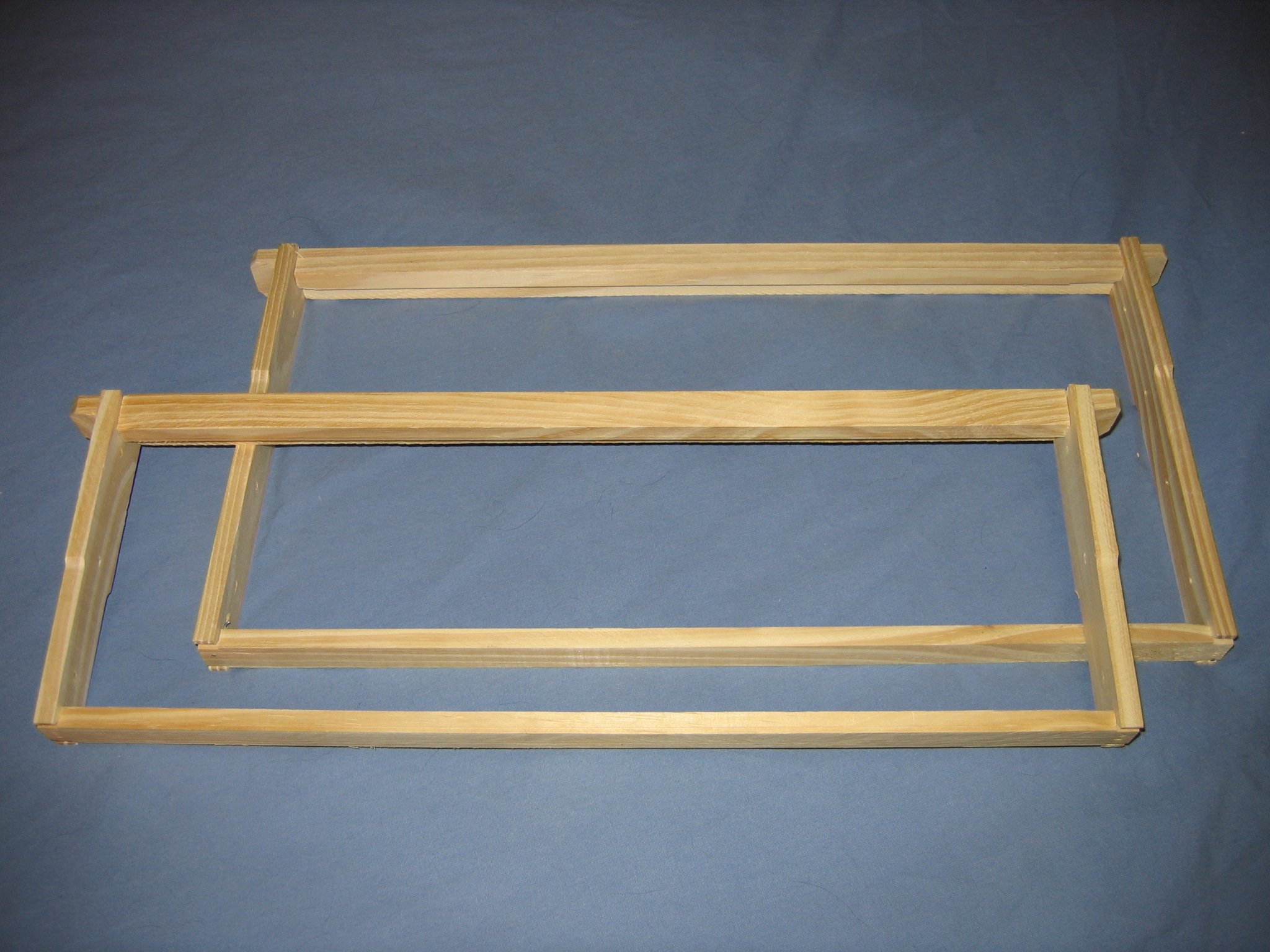
Most backyard keepers in North America run Langstroth equipment because frames, supers, and tools interchange between colonies. Sticking to one frame size simplifies inspection and winter consolidation.
Contact
Questions about a guide, a correction, or a topic you would like covered? Send a note using the form. This is a frontend-only form for a static reference site, so nothing is transmitted or stored on a server.
editor@softfieldlane.org
Reference
Independent informational site. Not affiliated with any beekeeping association.